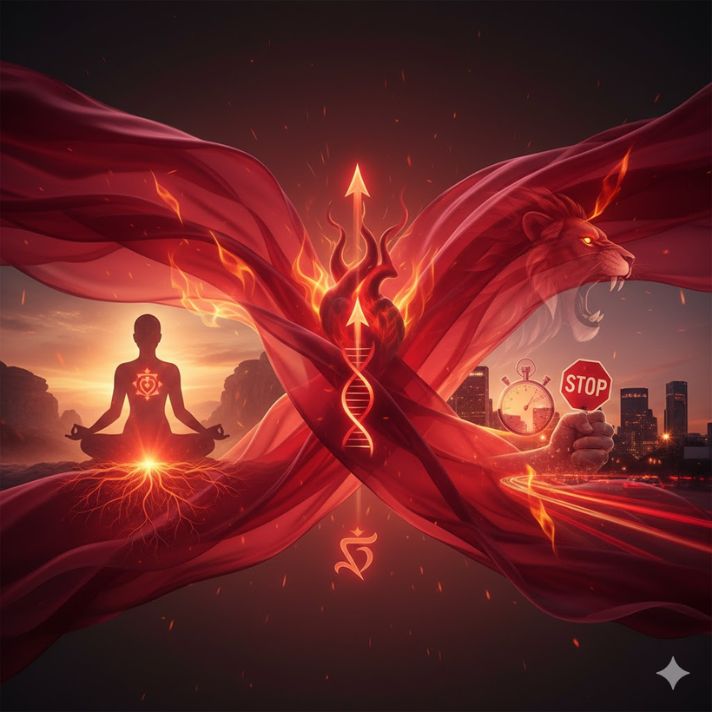
Colors are more than just what we see around us—they carry meaning and affect how we feel. Among all colors, red stands out as one of the most powerful. It is bold, vibrant, and impossible to ignore. Whether in nature, clothing, or art, red catches our attention and evokes strong emotions instantly.
Spiritually, red has deep significance. It is connected to energy, life, and the root chakra, which gives us a sense of stability and security. People often feel motivated, confident, or passionate when they see red. In many cultures and religions, red symbolizes important life forces, love, courage, and even sacrifice, showing how much influence it has beyond just being a color.
Psychologically, red affects how we act and respond. It can make us feel excited, alert, or even a little aggressive. Red encourages action, grabs attention, and sparks desire. That is why it is often used in marketing, fashion, and warning signs. Seeing red can make a moment feel intense, alive, and full of energy, connecting both our minds and spirits to its powerful presence.
Red is one attractive color.
Red is a bold and vibrant color that naturally draws attention. Everywhere we look, red pops out, from fashion choices like dresses and accessories to signs and art. It makes things feel alive, exciting, and noticeable. People often choose red to express confidence, passion, or energy, making it one of the most attention-grabbing colors in daily life.
Red also influences how we feel and act. Psychologically, it sparks excitement, energy, and a sense of urgency. Spiritually, red connects with the root chakra, giving a sense of stability and strength. Whether in love, romance, or personal expression, red communicates bold emotions clearly, making it a color that impacts both our minds and spirits every day.
What does the color red symbolize?
The color red symbolizes passion, courage, and strength, showing power in many aspects of life. It also represents love, life, health, and vigor, while carrying associations with anger, danger, and war. Red sparks action, motivates energy, and encourages people to stand out and express themselves confidently.
Additionally, red has spiritual and psychological meaning. Spiritually, it is linked to grounding, security, and survival instincts. Psychologically, it influences attention, desire, and perception of attractiveness. Across cultures and religions, red conveys important messages, from romance and passion to sacrifice and life force, proving that this color carries deep significance beyond its bright appearance.
Red Spiritual Meanings & Symbolism
1. Confidence
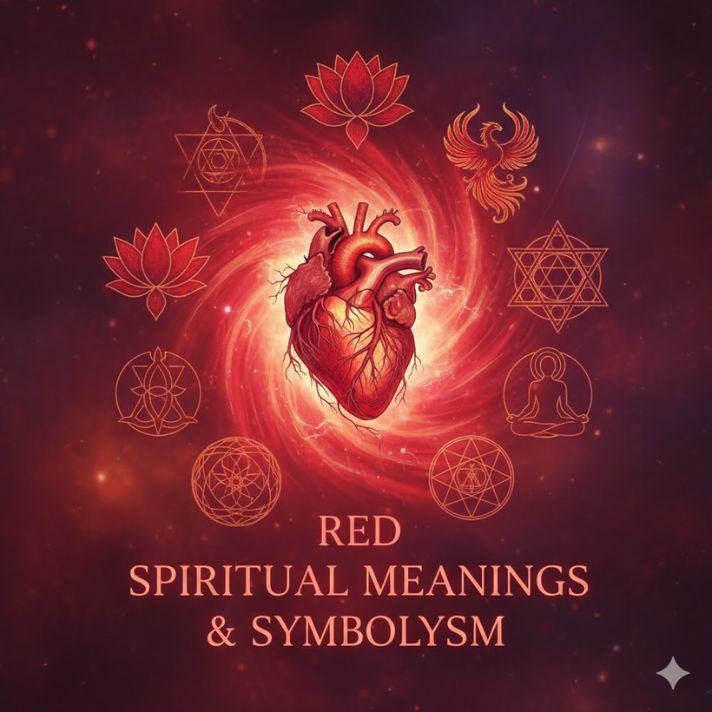
Red is a bold and vibrant color that naturally makes people feel confident. Wearing red, whether as clothing, lipstick, or accessories, signals self-assurance and courage. It shows that someone is ready to stand out, take action, and express themselves without hesitation. Confidence shines through when you embrace red.
Spiritually, red connects with the root chakra, grounding your energy and boosting your sense of stability. This spiritual meaning of red encourages inner strength, allowing you to face challenges with courage. It also reflects a person’s bold personality, making red a color that empowers both mind and spirit.
2. Passion
Red symbolizes passion, desire, and warmth, connecting deeply with fire and energy. It inspires action, encourages people to pursue their goals, and sparks strong emotions in love and life. Passion flows naturally when red is present, making it a powerful color for motivation and creativity.
Spiritually, red awakens the inner drive and fuels your life force energy. It represents burning desire and the courage to follow your heart. Psychologically, red stimulates excitement, making it a color that energizes the mind and soul, motivating people to act on their dreams and passions.
3. Attraction and Sensuality
Red draws attention effortlessly and represents attraction, romance, and sensuality. People often wear red to appear more appealing and magnetic, as the color naturally boosts perceptions of beauty and desire. It encourages connection and sparks chemistry in relationships.
The “red effect” shows how red influences perceptions of attractiveness. Spiritually, red radiates passionate energy, enhancing charisma and allure. Psychologically, it excites the senses and encourages interaction, making it a color associated with intimacy, attention, and the magnetic pull of love and romance.
4. Strength
Red symbolizes strength, resilience, and survival, representing the flow of blood and the energy of life. It gives people courage to face challenges and inspires physical and mental power in difficult situations. This color motivates action and perseverance.
Spiritually, red is linked to the root chakra, grounding energy and providing stability. Historically, red has represented dominance, courage, and victory, from war to social movements. It empowers individuals to channel their inner strength, showing that red is more than a color it is a symbol of enduring power.
5. Energy
Red radiates vitality, energy, and motivation, stimulating the mind and body to act. It naturally attracts attention, making it a popular choice for marketing, warnings, and eye-catching designs. People feel energized and focused when surrounded by red.
Spiritually, red awakens the life force energy, encouraging action and confidence. Psychologically, it heightens alertness, excitement, and activity. This vibrant color inspires movement and engagement, proving why red is universally connected to energy, action, and passion in both mind and spirit.
6. Danger
Red represents danger, caution, and warning, capturing attention instantly. Stop signs, brake lights, and hazard symbols all use red to alert people. Psychologically, red triggers awareness, helping individuals respond quickly to potential threats.
Spiritually, red reflects survival instincts and the need to protect oneself. It signals strong emotions such as aggression and alertness, reminding people to stay vigilant. Whether in nature or human design, red communicates urgency and caution, reinforcing its association with danger and safety.
7. Anger
Red symbolizes anger, aggression, and intensity, representing strong emotions that demand expression. It is linked to dominance and power, showing when someone feels challenged or provoked. This color naturally reflects emotional strength and assertiveness.
Spiritually, red channels raw energy, allowing people to confront obstacles or injustice. Psychologically, it stimulates heightened responses, making anger visible and undeniable. From emotional expression to symbolic power, red embodies both passionate feelings and human intensity in a striking, unmistakable way.
Meaning of the Color Red in the Bible
In the Bible, red often symbolizes blood, sacrifice, and life. It represents the shedding of blood for forgiveness, as seen in the use of red wine during communion, symbolizing Jesus’ blood. Red also reflects courage, martyrdom, and devotion, highlighting faith and spiritual commitment throughout biblical stories.
Red further conveys sin, war, and power in scripture. From the parting of the Red Sea to the imagery of warriors and kings, the color emphasizes both danger and divine protection. Spiritually, red communicates strength, life force, and sacrifice, making it a powerful symbol that intertwines faith, emotion, and action.
Meaning of Red in Other Cultures
Red Symbolism in Far East Asian Culture
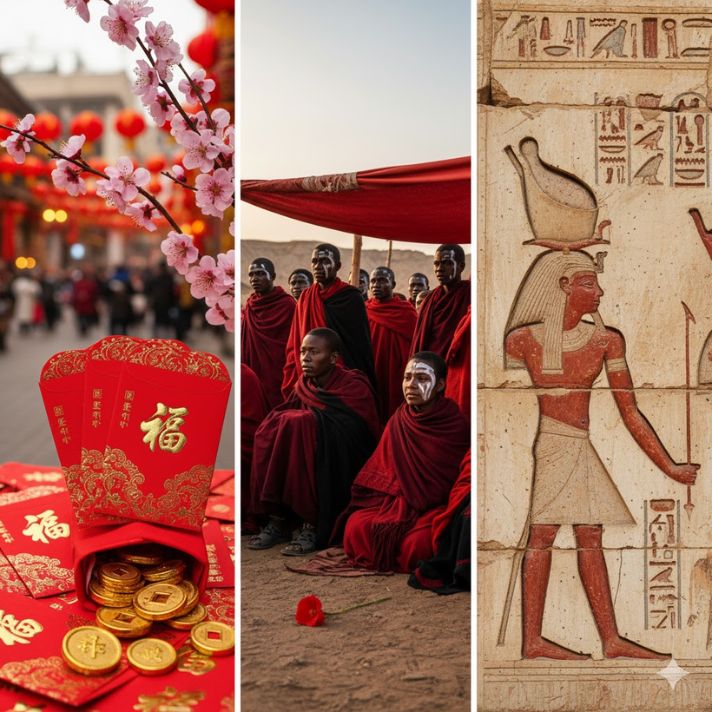
In Far East Asia, red is a symbol of good luck, prosperity, and happiness. In China, red is used in festivals, weddings, and decorations to attract positive energy. Red also signals success and celebration, making it a color that inspires joy and optimism in daily life.
In Japan, red carries similar meanings of good fortune and happiness. Brides often wear red kimonos to symbolize love and energy, while red is used in traditional art and ceremonies. Spiritually, red represents vitality and life force, showing that this color brings both energy and cultural significance.
Red Symbolism in African Culture
In African cultures, red often represents mourning, bloodshed, and sacrifice. In South Africa, citizens wear red during grief rituals to honor lost lives. Red also appears in flags and cultural symbols to represent struggle, freedom, and resilience, connecting deeply to history and community identity.
In West Africa, red is used in sacrificial rites and ceremonial events. It symbolizes both death and protection, reminding people of life’s fragility and the need for spiritual strength. Red communicates powerful emotions and spiritual awareness, linking the physical and spiritual worlds.
Red Symbolism in Latin American Culture
In Latin America, red symbolizes passion, religion, and the sun, representing both life and spiritual energy. It is connected to cultural traditions, festivals, and rituals where love, energy, and devotion are celebrated openly. Red often highlights strong emotions in both daily and spiritual life.
Red also represents death and sacrifice in some communities. It conveys respect for life’s cycles and spiritual practices. Spiritually and psychologically, red encourages action, romance, and vitality, showing how deeply intertwined the color is with Latin American culture and beliefs.
Red Symbolism in Indian Culture
In India, red is a symbol of good fortune, love, and purity. Brides wear red during weddings to attract happiness, prosperity, and spiritual blessings. Red also appears in festivals, decorations, and sacred rituals, highlighting its importance in spiritual and cultural life.
Red further represents energy, fertility, and life force in Indian traditions. It conveys passion, devotion, and auspicious beginnings, making it a color of celebration and spiritual grounding. Spiritually, red inspires confidence, action, and positive energy, showing its significance in both daily life and sacred practices.
Red Symbolism in Greek Mythology
In Greek mythology, red symbolizes life change, love, and growth. Young boys on the threshold of adulthood wore red cloaks, and brides wore red veils to signify transitions. Red also appears in stories of the red rose, representing love, passion, and the cycle of life and death.
Red further conveys mourning, power, and transformation in Greek tales. It symbolizes the balance between creation and decay, life and death. Spiritually, red communicates energy, vitality, and emotional intensity, showing its role as a powerful symbol in mythology and human experience.
Shades Of Red Spiritual Meanings
Dark Red
Dark red symbolizes strength, courage, and intense energy. It reflects raw emotions like anger, rage, and leadership, motivating people to take action and face challenges with resilience. Spiritually, dark red connects with the root chakra, grounding energy and providing a strong foundation for personal growth.
It also represents longing, determination, and willpower, encouraging people to push forward in difficult situations. In spiritual practices, dark red helps channel passionate energy into focused efforts, making it a color of power, dominance, and survival instincts.
Light Red
Light red represents love, joy, and passion, carrying softer, warmer energy compared to darker shades. It encourages emotional expression, intimacy, and romantic attraction, making it a color associated with tenderness and caring. Spiritually, light red connects with feelings of sensitivity and warmth.
Psychologically, light red inspires creativity, happiness, and playful energy, making it perfect for gentle motivation. It also symbolizes sexuality, passion, and emotional balance, helping people express love and openness while maintaining harmony in relationships and personal interactions.
Reddish Brown
Reddish brown, often seen as maroon, symbolizes masculinity, stability, and grounding. It reflects the energy of the earth and harvest, connecting people to nature, growth, and seasonal cycles. Spiritually, this shade encourages balance and a practical approach to life challenges.
It also represents strength, maturity, and endurance, making it ideal for cultivating patience and focus. Psychologically, reddish brown evokes reliability and steady energy, helping people feel secure, rooted, and connected to the physical and spiritual world.
Conclusion
The color red is more than just a vibrant shade it carries deep spiritual and psychological meanings. It symbolizes passion, confidence, strength, and energy, while also reflecting danger, anger, and survival instincts. Across cultures, red represents love, life, prosperity, and sacrifice, connecting people to both emotional and spiritual experiences.
Different shades of red, from dark red to pastel red, convey unique energies, from intensity and courage to romance and warmth. Whether in fashion, rituals, or everyday life, red influences how we feel, act, and connect. Understanding red helps us embrace its powerful impact on mind, body, and spirit.
FAQ’S
What does seeing the color red symbolize spiritually?
Spiritually, red symbolizes energy, passion, strength, and grounding. It connects with the root chakra, inspiring confidence, courage, and a strong sense of stability in life.
How does the color red affect psychology?
Red stimulates excitement, action, and attention. It encourages people to act, increases alertness, and influences emotions like desire, aggression, and motivation.
What is the meaning of red in different cultures?
Red symbolizes luck, prosperity, mourning, love, and life across cultures, varying from good fortune in Asia to passion and death in Latin America.
What emotions are associated with dark and light red?
Dark red represents strength, courage, and anger, while light red conveys love, joy, passion, and sensitivity, each invoking different emotional and spiritual energies.
Why is red linked to attraction and romance?
Red attracts attention and enhances perceived attractiveness. Spiritually and psychologically, it symbolizes passion, desire, and sensuality, encouraging connection and romantic energy.