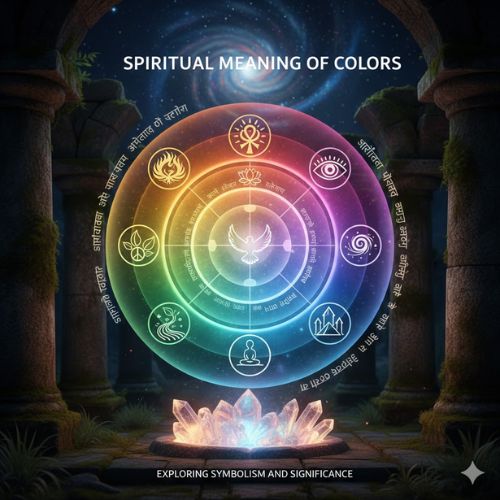
Colors are more than just what we see with our eyes; they carry deep meanings and emotions. Throughout history, people have used colors to express feelings, tell stories, and represent beliefs. From ancient rituals to modern spiritual practices, each color can symbolize something special, like love, peace, or energy. Understanding these meanings can help us connect more deeply with ourselves and the world around us.
In many cultures, colors are tied to spiritual energy and life forces. For example, red is often linked to passion and vitality, while blue represents calm and truth. Some traditions connect colors to chakras, the energy centers in our body, showing how colors can influence our mood, thoughts, and even personal growth. Learning about the spiritual meaning of colors allows us to see the hidden power behind everyday shades.
Exploring color symbolism also helps in art, education, and personal reflection. Artists use colors to convey messages in paintings, teachers can use color to teach cultural awareness, and individuals can reflect on how certain colors make them feel. By understanding the spiritual meaning of colors, we can add depth to our creativity, mindfulness, and daily experiences.
Understanding the Foundations of Spiritual Color Symbolism
Colors have always held deep meaning in human life. Across cultures and religions, people have connected colors with emotions, energy, and spiritual messages. Colors can influence our mood, inspire creativity, and even affect our thoughts. By understanding these foundations, we can see how color goes beyond just visual beauty it becomes a language of feeling and meaning.
Spiritual color symbolism also reflects cultural diversity. A single color can represent happiness in one culture and warning in another. Teachers and learners can use this knowledge to explore global traditions, build empathy, and understand how humans interpret the world in unique ways. Colors help bridge cultural differences while offering personal insights about energy, emotion, and spiritual growth.
Red: Vitality, Passion, and Power
Red is a color full of energy. It often symbolizes passion, courage, and life force. In spiritual traditions, red is linked to the root chakra, which helps people feel grounded and connected to the Earth. This color can evoke strong emotions, from love and excitement to anger and determination.
In different cultures, red carries unique meanings. In China, it represents luck and celebration, while in Western countries, it can be a warning or sign of danger. Red is a color that commands attention and reminds us of our physical energy and vitality. It encourages reflection on our feelings and the ways color shapes our daily life.
Orange: Creativity and Emotional Balance
Orange sits between red and yellow, combining energy with brightness. Spiritually, it is often linked to the sacral chakra, which governs creativity, joy, and emotional balance. Orange inspires self-expression and encourages people to explore their passions through art, music, or movement.
This color also promotes warmth and optimism. In design and education, observing orange can help students understand how colors affect mood and emotion. By using orange in creative projects, learners can see how color choices impact feelings, enhance harmony, and influence the tone of their work.
Yellow: Optimism, Clarity, and Wisdom
Yellow is the color of sunshine and light. It often represents optimism, intellect, and happiness. In spiritual practices, yellow is connected to the solar plexus chakra, which influences confidence, personal power, and mental clarity.
Yellow also encourages learning and focus. Educators can highlight yellow in art or nature to teach how colors affect emotions and ideas. By reflecting on yellow’s brightness and warmth, students can understand how color conveys meaning, shapes perception, and inspires positive energy in life and learning.
Green: Renewal, Growth, and Harmony
Green is the color of nature and life. Spiritually, it is linked to the heart chakra, symbolizing love, balance, and compassion. Green represents renewal, growth, and harmony, reminding us to nurture ourselves and the world around us.
In cultural traditions, green often signifies spring, abundance, or healing. In education, exploring green can connect lessons about ecology, mindfulness, and environmental care. Students can learn how green inspires calm, balance, and a sense of connection to life and the Earth.
Blue: Tranquility, Truth, and Spiritual Depth
Blue is a calm and soothing color. Spiritually, it is connected to the throat chakra, which governs communication, truth, and self-expression. Blue inspires reflection, honesty, and inner peace, helping people feel centered and thoughtful.
Blue also appears in art and culture to create serene atmospheres. For example, in famous paintings like Picasso’s Blue Period, it conveys emotion and mood. Learning about blue’s spiritual meaning helps students and artists understand how color can communicate depth, evoke feelings, and express ideas beyond words.
Purple (Violet): Spiritual Awareness and Transformation
Purple combines the stability of blue and the energy of red. Spiritually, it is linked to the crown chakra, symbolizing enlightenment, higher consciousness, and spiritual awareness. Purple encourages self-reflection, imagination, and connection to something greater than ourselves.
Historically, purple has represented royalty, wisdom, and divine presence. Artists and learners can explore how purple shapes meaning in paintings and cultural symbols. By understanding purple, students can reflect on transformation, growth, and the role of color in spiritual expression.
Spiritual Meaning of Colors of the Rainbow
The rainbow is a symbol of hope, promise, and harmony. Each color carries unique energy and lessons, combining to create a powerful representation of life’s diversity and balance. Studying the rainbow helps connect science, culture, and spirituality in a meaningful way.
In education, rainbow colors can teach students about light, refraction, and color theory, while also exploring symbolism and spiritual meaning. By examining each hue, learners can understand how color shapes perception, conveys emotion, and reflects broader cultural and spiritual themes.
The Spiritual Meaning of Butterfly Colors
Butterflies are symbols of transformation and renewal. Each color on a butterfly carries spiritual significance, reflecting emotions, personal growth, or change. For example, a yellow butterfly may signify optimism, while a blue one represents calm and spiritual awakening.
Studying butterfly colors can help students connect life cycles with spiritual lessons. In art or biology classes, exploring these patterns encourages observation, reflection, and appreciation for the ways nature uses color to inspire growth, transformation, and hope.
Conclusion
Understanding the spiritual meaning of colors helps us see the world in a richer, deeper way. Each color from red’s vitality to purple’s spiritual awareness carries unique energy, emotion, and symbolism. Exploring colors of the rainbow or butterfly patterns connects us to nature, culture, and personal growth. By integrating color symbolism into art, education, and daily life, we can inspire creativity, mindfulness, and self-reflection.
Colors are more than visual beauty; they communicate feelings, beliefs, and spiritual messages. Embracing their meanings allows us to enhance learning, express ourselves fully, and appreciate the hidden power behind every hue around us.
FAQ’S
What is the spiritual meaning of colors?
Colors carry symbolic and emotional significance, representing energy, feelings, and spiritual messages. They influence mood, creativity, personal growth, and cultural understanding across societies.
How do colors relate to chakras?
Each chakra in the body is associated with a specific color, reflecting energy, balance, and emotions. Colors like red, blue, and purple help spiritual alignment.
What do rainbow colors symbolize spiritually?
Rainbow colors represent hope, harmony, and unity. Each hue carries distinct lessons, emotions, and spiritual energy, combining science, culture, and symbolism in meaningful ways.
Why are butterfly colors spiritually significant?
Butterfly colors symbolize transformation, renewal, and growth. Each color conveys emotions, personal change, and spiritual awakening, inspiring reflection and connection to life cycles.
How can we use color symbolism in daily life?
Color symbolism enhances creativity, mindfulness, and emotional awareness. People use it in art, education, home décor, and personal reflection to inspire growth and positivity.