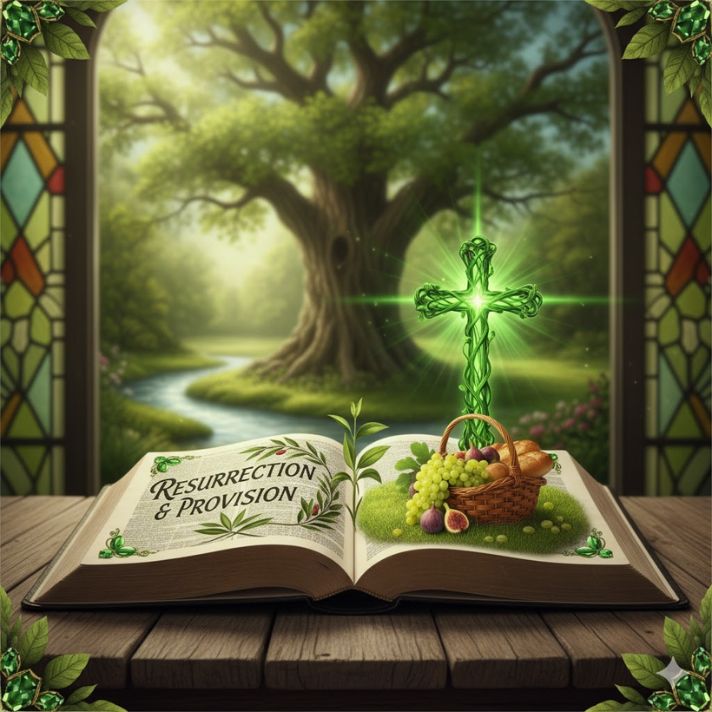
Green in the Bible carries a deep and hopeful meaning. It often points to life, growth, and God’s constant care. When the Bible shows green fields, trees, or plants, it reminds readers that God brings renewal even in hard seasons. This color is more than a natural detail. It shows how God provides for His people and keeps them steady.
Many Scripture passages use green to picture new beginnings. Green pastures, flourishing trees, and fresh leaves all speak about strength and restoration. These images point to God’s power to bring life back into places that feel dry or broken. When people see green in the Bible, they see a sign that God is working quietly but surely.
Green also connects to one of the biggest themes in Christianity resurrection. As plants come back to life after winter, Scripture uses this natural cycle to point to God’s promise of new life. Green becomes a symbol of God’s provision and the hope that He restores what seems lost. It tells believers that God brings life, both now and forever.
Hebrew and Greek Terms for Green
The Bible uses special Hebrew and Greek words to describe the color green. In Hebrew, the word raanan means fresh, new, and full of life. It often describes healthy trees and fruitful land. This word shows how green connects to God’s blessing and His care for His people.
In the New Testament, the Greek word chloros appears a few times. Sometimes it means healthy green grass, but other times it shows a pale, sickly green linked to death. These different meanings remind us that green in the Bible can point to both life and warning, depending on the story.
Agriculture and the Ancient Near East
People in ancient Israel depended on farming, so green fields meant survival. Rain, harvest, and growing plants were all signs that God was helping them. When the land turned green, families felt safe because it showed that God was giving them food, shade, and hope for the future.
When the land dried up or turned brown, it signaled trouble. Droughts showed that something was wrong spiritually or that the nation needed to return to God. Green was more than a color. It was a message that God was near, providing what His people needed to live.
Green as a Symbol of Life and Flourishing
Many Bible verses use green to show life and strength. Green pastures, green leaves, and strong trees point to a person who stays close to God. Just like a tree planted by water grows well, someone who trusts God stays steady, healthy, and full of spiritual life even during hard times.
Green also pictures the kind of blessing only God can give. It shows ongoing growth, peace, and inner renewal. When the Bible describes someone as “green,” it means they are flourishing. Their life produces good fruit, and their heart stays hopeful because God keeps them refreshed and protected.
Psalm 23:2 – Green Pastures and Divine Provision
Psalm 23:2 shows God as a gentle shepherd who brings His people to “green pastures.” In a dry land like ancient Israel, green pastures were rare and precious. This picture reminds us that God provides exactly what we need. He gives rest, peace, and abundance even in seasons that feel empty or stressful.
Jeremiah 17:8 – Spiritual Rootedness
Jeremiah 17:8 describes a person who trusts God as a tree planted beside water. Its leaves stay green, and it never fears heat or drought. This simple image shows spiritual strength. When someone roots their life in God, they remain steady and alive inside, even when challenges rise around them.
Hosea 14:8 – God as the Evergreen Source
In Hosea 14:8, God says, “I am like a green cypress tree; your fruit comes from me.” This verse teaches that all true growth comes from God alone. The evergreen tree symbolizes strength, life, and stability. When people turn back to God, He restores them, supports them, and helps them flourish in ways they cannot on their own.
Green in Covenant and Creation Theology
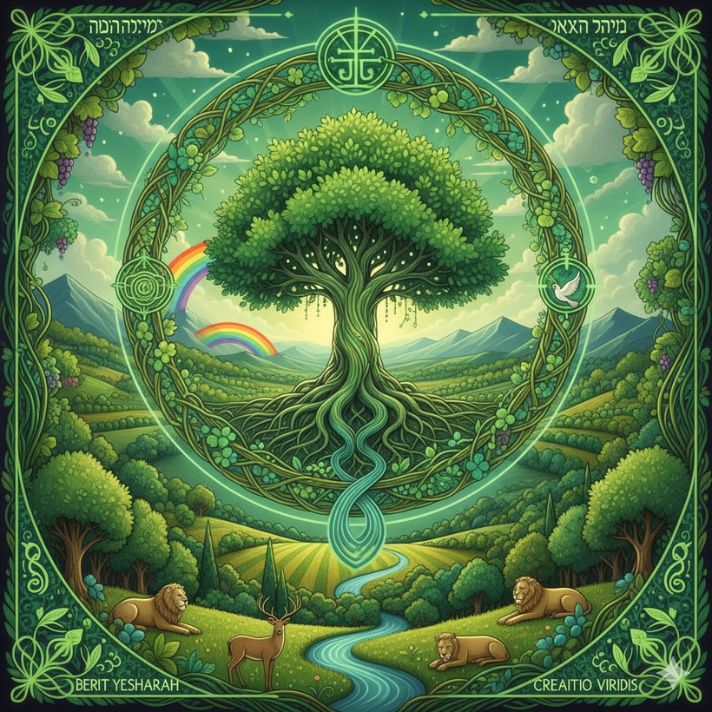
Green plays a strong role in covenant and creation theology because it points to God’s original design for life. In Eden, everything was lush, fresh, and full of God’s provision. The color green showed perfect harmony in creation. It reminded people that God intended His world to flourish in peace, wholeness, and beauty.
Though creation broke, the Bible still uses green to show restoration, renewal, and covenant blessings. Prophets often described deserts turning green again as a sign of hope. This imagery helped people remember that God restores what seems lost. Green became a promise that God brings life back into dry places and keeps His covenant alive.
Eeden and the Wholeness of Creation
Eden shows God’s perfect plan for a world filled with life, peace, and harmony. Everything in the garden was green, healthy, and complete. This color reflected God’s wholeness, provision, and care for creation. It reminded people that God designed the earth to flourish and stay connected to His goodness.
Prophetic Imagery of Renewal
The prophets often used green images to show hope and restoration. They described deserts blooming, dry lands turning lush, and broken places becoming alive again. This imagery gave people comfort because it showed God returning to heal what was damaged. Green became a promise of renewal, growth, and God’s active work in restoring His people.
Green and Divine Provision
Green shows how God provides for His people. In the Bible, green fields, healthy trees, and fresh plants all point to God’s care. When the land turns green, it’s a sign that God is giving food, peace, and strength. It reminds believers that God brings life even in difficult seasons.
Torah: Rain, Grass, and Faithfulness
The Torah connects rain and green grass to God’s faithfulness. When Israel obeyed, God promised rain that would make the land flourish. Green fields showed God’s blessing. However, when the land dried up, it signaled spiritual trouble. This link taught people that God guides both the sky and the soil.
Wilderness Wanderings: The Absence of Green
During Israel’s wilderness journey, green was missing. There were no fields or gardens. This barren setting reminded the people to depend on God alone. The lack of green was not punishment but preparation. God used the wilderness to teach trust, patience, and obedience before leading them into a fruitful land.
Green and Judgment in Revelation
Revelation uses the color green differently than other Scriptures. Instead of life, it sometimes shows warning or judgment. Green plants appear as things protected during chaos, while twisted green shades reveal danger. This contrast shows how green can represent God’s mercy or His judgment depending on the situation.
The Pale Horse – Revelation 6:8
The Pale Horse carries a rider named Death. The Greek word chloros here describes a sickly green color. It represents decay, disease, and the collapse of life. This image reminds readers that when people turn from God, even symbols of life can become signs of danger and brokenness.
Dual Meaning: Blessing or Decay
In Scripture, green carries two strong meanings. It can show blessing, growth, and God’s presence. Yet it can also point to decay when separated from God. This dual nature teaches that true life comes from staying close to God. Without Him, even something green can become empty and unstable.
Green in Christian Tradition and Liturgy
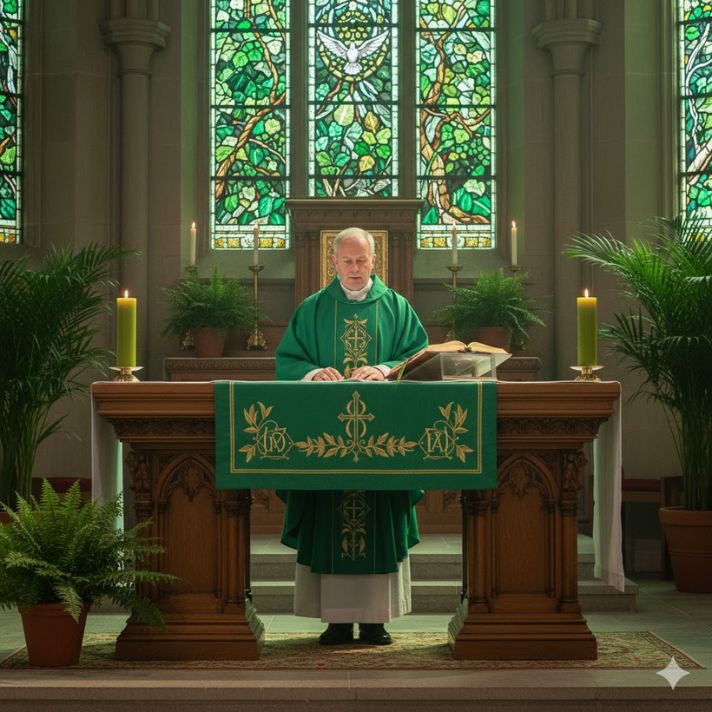
Christian tradition uses green to symbolize steady spiritual growth. Churches display green during most weeks of the year to remind believers that faith grows slowly, like leaves on a tree. This color calls Christians to remain patient, faithful, and rooted in God as they mature in daily life.
Ordinary Time and Spiritual Growth
During Ordinary Time, churches use green to show continual transformation. The season focuses on everyday faith. Just as plants grow quietly, Christians grow through prayer, service, and simple acts of love. Green reminds believers that small steps in faith still produce deep and lasting change over time.
Patristic Symbolism – Veriditas
Hildegard of Bingen used the word veriditas to describe God’s “greening power.” She taught that the soul becomes vibrant when touched by God’s life. Early Christian thinkers like Augustine also used green to picture hope and eternal life. For them, green symbolized the inner strength God gives His people.
Theological Themes Behind the Color Green
Green ties together many biblical themes. It reflects creation, blessing, renewal, and restoration. It shows God’s life-giving power at work in the world. Whenever Scripture uses green, it points to God acting in history—bringing growth, healing broken places, and leading His people toward hope.
Hope and Resurrection
Green naturally symbolizes resurrection because it returns after winter. The Bible uses this cycle to explain Christ’s victory over death. Jesus is called the “firstfruits,” like the first green shoot of spring. This picture helps believers trust that God brings life again, both now and in eternity.
Creation Care and Ecological Theology
Green also reminds Christians to care for God’s creation. The Bible calls humans to guard the earth, not harm it. Keeping creation green shows respect for God’s design. When believers care for the land, they honor the Creator and protect the gifts He entrusted to them.
Green in Biblical Dreams and Visions
When green appears in biblical dreams or visions, it usually points to life, restoration, or God taking action. These images gave people hope during difficult times. Green in a vision often meant that God planned to heal, rebuild, or guide His people out of a troubled season.
Prophetic Symbolism in Zechariah
Zechariah’s visions include evergreen plants and living landscapes. These images symbolized return, rebuilding, and God’s renewed favor. Green elements offered hope to people coming out of exile. They pointed to a future where God would restore the land, strengthen the nation, and bring peace once again.
Apocalyptic Imagery in Daniel and Revelation
Daniel and Revelation use images of trees, plants, and green scenes to show both judgment and renewal. Healthy trees represent strong kingdoms or faithful people, while withered plants show brokenness or pride. These scenes remind readers that God controls the rise and fall of nations.
Dreams and Spiritual Insight
Biblical dreams often carried deep spiritual meaning. When green appeared, it usually symbolized growth, healing, or God’s promise. These dreams helped people understand that God was near and working. Green reminded them that even in hardship, God still planned to bring life and restoration.
Quick Biblical References to the Color Green
Many verses use green to show God’s work. Green herbs in Genesis show God providing food. Green leaves in Proverbs show a righteous life. Green olive trees in Jeremiah symbolize God’s blessing. These quick references highlight how often green expresses life, strength, and divine care.
Creation & Provision
In creation, God filled the world with green plants to feed people and animals. Green showed His generous provision. Every leaf and blade of grass pointed to His care. This theme appears throughout Scripture, reminding believers that God provides both physical and spiritual nourishment.
Symbol of Fragility or Mortality
Sometimes the Bible uses green to show how fragile life is. Green grass on rooftops dries quickly, just like human strength fades. These images teach humility. They remind people that life is short and that real strength comes from depending on God rather than relying on themselves.
Peace, Blessing, & God’s Provision
Green often symbolizes peace and blessing. Psalm 23 describes green pastures where God leads His people to rest. Verses like Proverbs 11:28 show that righteous people flourish like green leaves. These images reveal God’s desire to bring stability, comfort, and joy to those who trust Him.
New Testament References
The New Testament uses green sparingly but meaningfully. Mark 6:39 mentions green grass where Jesus fed the crowd, connecting to peace and provision. Revelation speaks about protecting green plants during judgment. Each reference shows that green still represents life, innocence, and God’s careful protection.
Applying the Symbolism of Green to Christian Life
Christians can apply the meaning of green by staying rooted in God, growing daily in faith, and trusting Him in every season. Just like plants need water and light, believers need Scripture, prayer, and community. Green encourages them to stay hopeful, steady, and open to God’s renewing work.
Conclusion
The color green carries deep meaning throughout the Bible. It points to life, renewal, hope, and God’s steady provision. We see it in Eden’s perfection, Israel’s promises, prophetic visions, and the teachings of Jesus. Green reminds believers that God restores what feels dry and broken. It also calls us to nurture creation and live with gratitude.
Whether used to show blessing, growth, or human fragility, green invites a deeper trust in God’s presence. As Christians follow these themes today, they can see green as a daily reminder of spiritual growth, resurrection hope, and God’s faithful love.
FAQ’S
1. What does the color green symbolize in the Bible?
Green symbolizes life, renewal, growth, and God’s provision. It reflects flourishing faith, spiritual strength, and God’s promise to sustain His people in every season.
2. Why is green connected to creation in Scripture?
Green appears in Eden and creation stories to show wholeness, beauty, and divine order. It highlights God’s intention for harmony and fruitful life.
3. How is green used in prophetic imagery?
Prophets use green to show restoration, healing, and future renewal. It marks God’s promise to revive what feels dry, broken, or spiritually barren.
4. What is the meaning of green in Christian tradition?
In Christian liturgy, green represents spiritual growth, everyday faith, and hope. It appears during Ordinary Time to remind believers of ongoing transformation.
5. How can Christians apply the symbolism of green today?
Christians can use green as a reminder to grow spiritually, care for creation, trust God’s provision, and seek renewal in daily life.