Athlete Statistics
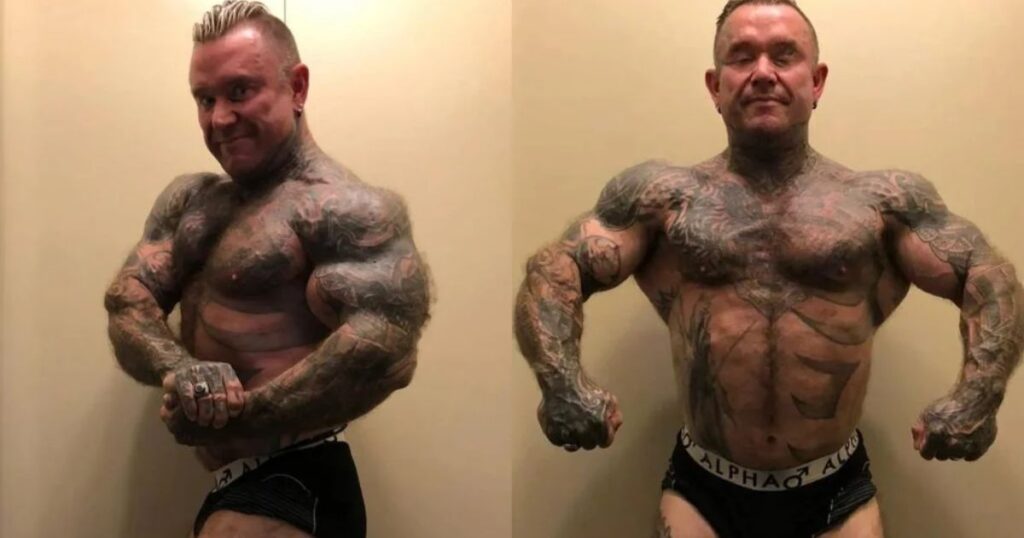
Lee Priest is a well-known professional bodybuilder from Australia. He weighs 225–235 lbs and is 5’4” tall. His stats show years of hard work and dedication to fitness.
He was born on July 6, 1972, and works as a bodybuilder, entrepreneur, author, and racing car driver. His multiple professions show his skills go beyond bodybuilding.
Accomplishments
Lee Priest became one of the youngest IFBB Pros at age 20. He won his first show at 13, showing early talent in the bodybuilding lifestyle.
He also succeeded in racing and media projects. Balancing training, competitions, and business ventures, Priest became a role model for young athletes worldwide.
Racing Career
At age 32, Lee Priest started racing cars professionally. He competed in road racing, drag racing, and circle track events, showing his athletic ability outside the gym.
His main achievements include winning the SCEDA Racing Championship in 2006 and Rookie of the Year in 2005. Racing became another way he proved his competitive nature.
Bodybuilding Competitions
Lee Priest took part in many IFBB and NABBA events, winning and placing high consistently. His victories at Arnold Schwarzenegger Classic and Ironman Pro Invitational made him famous worldwide.
He also won the 2013 NABBA Mr. Universe. These wins show his skill in muscle building, training discipline, and bodybuilding competitions.
Biography
Growing up
Born in Newcastle, Australia, Lee Priest loved bodybuilding from a young age. His mother, also a competitor, guided him in weightlifting basics.
He started training at 12 with help from his grandfather. This early start gave him the skills to become a top IFBB athlete later.
Teenage Years
Winning his first show at 13, Lee Priest got hooked on bodybuilding. He won IFBB Mr. Australia three times in a row from ages 17 to 19.
He also placed fourth at the IFBB World Amateur Championships. These early wins show his strong dedication to strength training and competitions.
Pro Card
Age restrictions stopped him from getting a Pro card in Australia initially. He competed in the Niagara Falls Championships to gain recognition.
At 20, Lee Priest earned his IFBB Pro card, becoming one of the youngest professional bodybuilders. This opened doors to major international competitions.
Later Competitions
After becoming a Pro, Lee Priest competed for over 16 years. He won Ironman Pro, San Francisco Pro Invitational, and placed sixth in Mr. Olympia at 25.
These results made him a legend in the bodybuilding world. His career shows dedication, smart training, and persistence.
Life Outside Bodybuilding
Outside bodybuilding, Lee Priest enjoyed racing and appeared in podcasts, TV shows, and ads. He was honest about steroids and his atheism, which made him unique.
His activities show he is more than a bodybuilder. A priest’s life reflects hard work and balance between racing, media, and business.
Training
Lee Priest treats training as a lifestyle. He focuses on consistency, variety, and intensity in all workouts.
He believes favorite exercises don’t matter as much as commitment. His approach teaches practical tips for muscle growth, mass building, and strength.
Biceps Training Rules
Priest trains biceps with high-volume sets, standing barbell curls, and preacher curls. Supersets help restore the pump and grow muscle.
Changing workouts prevents the body from adapting. These rules highlight smart arm training for growth and strength.
Workout Split
Lee Priest trains legs, back and forearms, chest, shoulders, and arms. Calves are trained daily, abdominals alternate days.
This split ensures all muscles get attention. Variety and consistency in his schedule show how to train efficiently for muscle development.
Nutrition
Nutrition is key to Lee Priest’s success. During bulking, he can gain up to 75 pounds. Cutting requires strict clean eating.
He eats six meals every 2–3 hours to maximize strength, recovery, and muscle growth. Cheat meals are controlled, helping balance the diet without harming results.
Lee’s Daily Diet
Protein: tuna, chicken, lean steak, eggs, whey.
Carbs: pasta, rice, oatmeal, bread.
Fruits and vegetables: bananas, oranges, broccoli, asparagus.
Fats: almonds, cheese, milk, flax oil.
This plan gives him energy and nutrients needed for training, competitions, and recovery.
Idols and Influences
Priest admired Dorian Yates, Paul Dillett, and Nasser El Sonbaty. He tried to copy their freakier physiques and training methods.
Their influence shaped his style and helped him grow as a professional. Lee Priest learned dedication, discipline, and smart muscle-building from these idols.
What We Can Learn from Lee Priest
Lee Priest shows the value of staying true to yourself. He faced controversies but always spoke honestly about bodybuilding and life.
Dedication, early start, and balancing multiple passions are key lessons. His life inspires bodybuilders, racers, and athletes to follow dreams with honesty and hard work.
Conclusion
Lee Priest is a true example of hard work, honesty, and dedication. From starting at 12 to winning top competitions, he shows passion and discipline lead to success.
His training, nutrition, and competitive journey teach valuable lessons for anyone wanting to grow in bodybuilding, fitness, or sports. Staying consistent, learning from mentors, and focusing on your goals are keys to achieving greatness like Priest.
FAQs
Who is Lee Priest?
Lee Priest is an Australian IFBB Pro bodybuilder, entrepreneur, and racing driver, known for competitions, training, and honesty about life and steroids.
What are Lee Priest’s major bodybuilding titles?
He won NABBA Mr. Universe 2013, Ironman Pro, San Francisco Pro Invitational, Arnold Classic, and high placements in Mr. Olympia.
How does Lee Priest train his biceps?
He uses high-volume sets, standing barbell curls, preacher curls, supersets, and changes routines for maximum muscle growth and mass.
What is Lee Priest’s daily diet?
He eats six meals daily with proteins, carbs, fruits, vegetables, and fats to fuel strength, recovery, and muscle growth efficiently.
What lessons can we learn from Lee Priest?
Dedication, honesty, staying true to yourself, and balancing multiple passions are key lessons from Priest’s life and career.