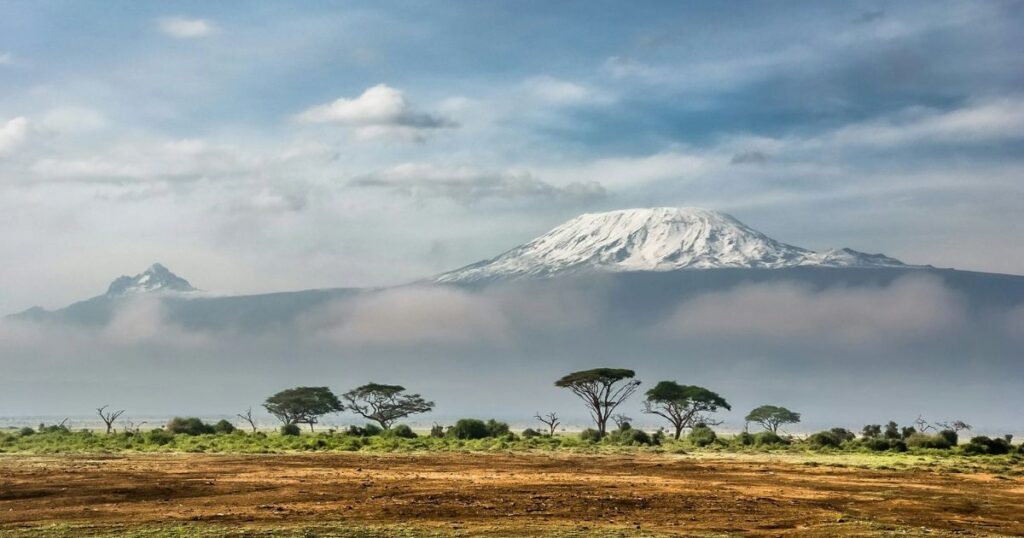
Standing on Mount Kilimanjaro before sunrise feels unreal. The air is cold. Breathing is hard. Yet hope grows with every step. Chasing first light on Mount Kilimanjaro, the highest mountain in Africa is about patience, effort, and belief.
This journey is not only about reaching the top. It is about understanding altitude, weather, and yourself. As a visitor, I wanted clear answers before climbing. This guide shares those answers honestly and simply.
An Idaho Capital Sun reporter’s account of climbing one of the seven summits
Mount Kilimanjaro is part of the famous Seven Summits, the highest mountains on each continent. It stands in Tanzania and attracts people because no ropes or technical climbing skills are needed.
Still, the climb is not easy. High altitude, cold weather, and long hiking days test the body and mind. This real experience explains what climbers actually face on Africa’s highest mountain.
Clark Corbin
Clark Corbin is a reporter who enjoys outdoor challenges. He has trekked to Everest Base Camp and climbed mountains in the United States with guided groups.
Because of his experience, his Kilimanjaro story feels honest. He shares fear, tiredness, and joy in a simple way that helps first-time climbers understand what to expect.
June 27, 2023 – 4:30 am
Most summit attempts begin around midnight. At 4:30 am, the mountain is silent and dark. Headlamps light the trail as climbers move slowly uphill.
This timing matters. Early climbing avoids strong winds and helps climbers reach the top at sunrise. It also makes the long descent safer later in the day.
Kilimanjaro: more than a mile higher than Idaho’s highest mountain
Mount Kilimanjaro stands at 19,341 feet. That is much higher than Mount Borah in Idaho and Mount Whitney in California.
This height makes a big difference. Oxygen levels drop. Walking feels harder. Simple steps require effort. Knowing this helps climbers prepare both mentally and physically.
Mount Kilimanjaro is the highest mountain in Africa
Located in Kilimanjaro National Park, this mountain rises above plains and forests. The summit is called Uhuru Peak, meaning “freedom” in Swahili.
Climbers pass through rainforests, rocky trails, and icy ground. Near the top, a shrinking glacier still remains, showing how climate affects even the tallest mountains.
Routes and preparation for climbing Mount Kilimanjaro
Several routes lead to the summit. Popular ones include Machame, Marangu, and Lemosho. The Machame Route is well liked for its views and slow altitude gain.
Preparation focuses on walking slowly and adjusting to altitude. Guides often say pole, pole, meaning slowly. This method lowers the risk of altitude sickness and improves success.
Weather challenges on Mount Kilimanjaro
The weather on Kilimanjaro changes quickly. Many climbers face cold rain, clouds, and strong wind, especially above 12,000 feet.
Wet clothing feels uncomfortable, but cooler air reduces heat stress. Accepting tough weather helps climbers stay calm and continue safely toward the summit.
Barranco Wall and acclimatization challenges
The Barranco Wall looks scary from below. In reality, it involves careful walking and light scrambling using hands for balance.
After this section, climbers continue acclimatization hikes. Walking higher during the day and sleeping lower helps the body adjust to low oxygen levels.
Base camps and daily life on the mountain
Camps like Karanga Valley and Barafu Camp are places to rest, eat, and prepare. Life feels simple. Eat well, drink water, and save energy.
Local guides, porters, and cooks play a huge role. They carry gear, prepare meals, and watch climbers’ health every day.
The final summit push toward Uhuru Peak
The final climb starts around midnight. Climbers wear many layers and move slowly under the stars using headlamps and trekking poles.
Above 17,000 feet, breathing becomes difficult. Still, steady pacing and short breaks help climbers move forward step by step.
Stella Point and the crater rim experience
Reaching Stella Point means the hardest part is over. It sits at the edge of the crater and gives hope to tired climbers.
From here, the trail follows the crater rim. As dawn comes, climbers turn off headlamps and see snow, ice, and the mountain’s glacier.
Reaching Uhuru Peak at sunrise
The final steps to Uhuru Peak feel emotional. Climbers hug, smile, and take photos beside the summit sign.
Watching the sunrise from Africa’s highest point is unforgettable. In that moment, chasing the first light on Mount Kilimanjaro, the highest mountain in Africa, feels truly worth it.
Descending safely from Africa’s highest mountain
After a short stay at the summit, climbers begin descending. Staying too long at altitude can be dangerous.
Going down feels easier on breathing but harder on tired knees. Reaching lower camps safely brings relief and pride.
Why mindset matters more than strength
Fitness helps, but mindset matters more. Staying positive and trusting guides keeps climbers moving during tough moments.
Small goals, slow steps, and focus on breathing help climbers reach the summit without rushing or panic.
On safari in Tanzania
Many climbers continue with an Africa safari after descending Kilimanjaro. Tanzania’s parks are close and easy to visit.
Safari offers rest and joy after the climb. It balances hard effort with calm wildlife experiences.
Tarangire National Park wildlife encounters
Tarangire National Park is known for elephants. Seeing large herds walking freely feels powerful and peaceful.
Visitors also see zebras, ostriches, and impala. Guides communicate by radio to locate animals responsibly.
Serengeti National Park and kopjes
The Serengeti National Park has wide open land and rocky kopje. These spots attract animals seeking shade and water.
Lions, cheetahs, and leopards often rest near kopje. Early morning drives offer the best wildlife sightings.
Ngorongoro Conservation Area experience
The Ngorongoro Conservation Area holds many animals inside a large crater. Water and grass keep wildlife close together.
Visitors may see hippopotamus, hyenas, and lion families in one drive, making each visit special.
Reflections from the journey
Climbing Kilimanjaro teaches patience and respect for nature. Every challenge adds meaning to the success.
For visitors seeking clear answers, this journey shows that preparation and steady effort make the climb achievable and rewarding.
Conclusion
Mount Kilimanjaro is not just a mountain. It is a lesson in patience, effort, and trust. Chasing first light on Mount Kilimanjaro, the highest mountain in Africa rewards those who move slowly and respect altitude.
From night climbing to sunrise at Uhuru Peak, the experience stays with you forever. Adding a Tanzanian safari completes the journey with peace and wonder. For travelers seeking purpose and adventure, Kilimanjaro offers both.
FAQs
How hard is Mount Kilimanjaro for beginners?
Kilimanjaro needs no technical skills. However, altitude, long days, and cold weather make preparation and slow climbing very important.
Which route is best for first-time climbers?
The Machame Route is popular. It offers good scenery and better acclimatization, improving chances of reaching the summit.
When is the best time to climb Kilimanjaro?
January to March and June to October offer clearer weather and better summit conditions.
How can I avoid altitude sickness on Kilimanjaro?
Walk slowly, drink water, eat well, and follow acclimatization hikes guided by professionals.
Is safari after Kilimanjaro worth it?
Yes. Safari helps you relax and enjoy Tanzania’s wildlife after the demanding climb.