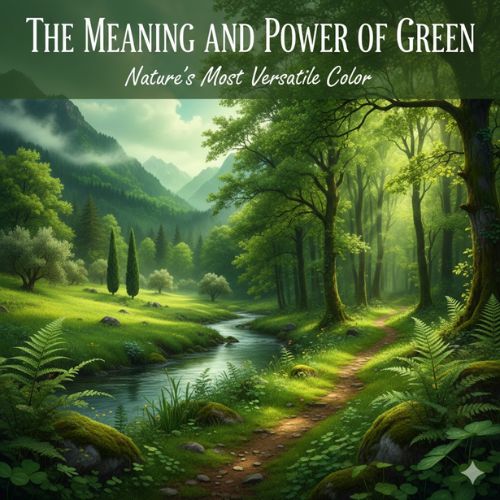
Step outside on a crisp spring morning, and you’ll be immersed in nature’s most comforting color green. From the delicate yellow-green of newly sprouted grass to the deep, majestic hues of forest pines and the vibrant emerald of sunlit leaves, green surrounds us with life and renewal. It evokes feelings of growth, harmony, and limitless possibilities.
But where do the meanings we associate with green come from? Is it the sparkling brilliance of an emerald, the green of crisp currency, or the serene shades of a misty forest? Perhaps green derives its significance from the first tender shoot breaking through dark soil, signaling the end of winter and the beginning of new life.
Green is everywhere the dominant color in nature and the second most popular favorite color after blue. It symbolizes wealth, growth, environmental awareness, and vitality, making it both universally cherished and deeply meaningful.
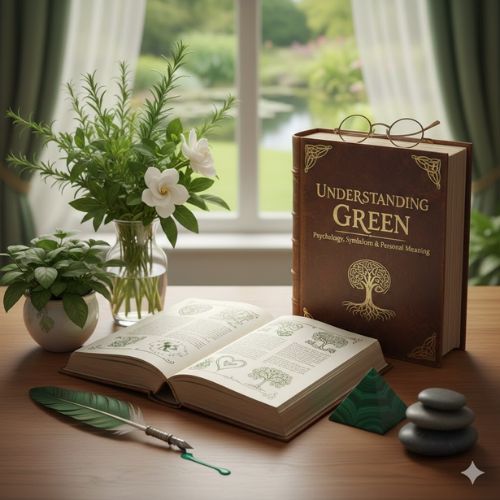
Understanding Green: Psychology, Symbolism, and Personal Meaning
Green and the Mind: The Psychology Behind the Color
Green has a remarkable effect on the human body. Seeing green can trigger relaxation in muscles, stimulate the pituitary gland, and even increase blood histamine levels, reducing allergy symptoms. It’s a color that simultaneously soothes and energizes, offering a rare blend of calm and invigoration.
Cultural Significance: What Green Represents Across Societies
Green carries different meanings depending on culture. In Western societies, it’s linked to money (“greenbacks”), environmental responsibility (“going green”), and permission (“green light”). In Japan, it represents eternal life and spiritual growth. In Islamic traditions, green is sacred, symbolizing respect, nature, and divine connection.
Personal Connections: Your Unique Relationship with Green
Our individual experiences also shape how we perceive green. It might remind you of your grandmother’s garden, a favorite childhood hideaway, or a cherished piece of jewelry. These personal associations combine with universal symbolism to make green both familiar and deeply personal.
In essence, green stands for vitality, growth, freshness, health, balance, youthfulness, and prosperity.
Why We’re Drawn to Green
Green saturates language and culture with expressions that capture its essence:
- “Green with envy”
- “Love is evergreen”
- “It’s not easy being green”
These sayings reflect the abundance, balance, and natural wisdom that green embodies. It signifies rebirth, progress, freshness, prosperity, and positive change, reminding us of life’s eternal cycles.
The Science of Green: Effects on Body and Mind
Green environments create unique physiological responses. Muscles relax, hormonal balance improves, and cognitive performance, creativity, and reading abilities increase. Spending time among green plants or in nature can dramatically enhance mood, reduce stress, and promote overall well-being.
Green is the perfect balance between blue’s calming influence and yellow’s energy, offering both tranquility and vitality.
Green Symbolism in Culture
Across the globe, green is a symbol of balance, nature, growth, and renewal. It signifies prosperity, progress, and ecological consciousness. Political movements like the Green Party use the color to signal environmental and progressive values, while phrases like “green light” and “green thumb” reflect its cultural relevance.
The Life-Giving Side of Green
Green promotes health, vitality, and creativity, making it an ideal choice for homes, workplaces, and schools. It’s also associated with financial success, from money to profitable ventures, and encourages environmental responsibility and sustainability.
However, green isn’t always positive. Pale or sickly shades can suggest illness or unease. It also represents envy, greed, and warning signs, such as the Mr. Yuck poison label.
Using Green in Design, Home, and Fashion
Home Interiors
- Living rooms: Sage and forest greens create calm, balanced spaces.
- Bedrooms: Soft greens promote restful sleep.
- Home offices: Green boosts creativity and focus.
Wardrobe Choices
- Professional settings: Forest and emerald greens project confidence and trust.
- Casual wear: Green connects you with nature and balance.
Branding
Green works exceptionally for brands focused on growth, health, environmental responsibility, and prosperity, such as Starbucks, Whole Foods, and John Deere.
Fascinating Green Stories
- Washington’s Love for Green: He favored green in his dining rooms at Mount Vernon for its calming effects.
- Coca-Cola’s Accidental Green: Original bottles had a green tint due to minerals in sand.
- Libya’s Flag: Once the world’s only single-color national flag, all green.
- Chicago River: Dyed green annually on St. Patrick’s Day, transforming the cityscape.
- Famous People: Elizabeth Sweetheart (The Green Lady) and Tommy Greene made green their signature color.
Green in Spirituality and Food
Spiritual Significance
In chakra traditions, green governs the Heart chakra, promoting love, compassion, and emotional balance. Across cultures, green symbolizes healing, renewal, and spiritual growth.
Green Foods
Green foods are associated with health, nutrition, and freshness, from leafy vegetables to green tea. Even some chicken eggs naturally appear in shades of green, demonstrating nature’s creativity.
Discovering Your Green Story
Consider your personal relationship with green. Do green spaces soothe you? Does green clothing boost confidence or calm your mind? Your unique experiences with green, combined with its psychological and cultural significance, make it a color of balance, renewal, and personal meaning.
Green teaches us that a single color can calm, energize, promote prosperity, and nurture spiritual growth. Next time you notice green in your surroundings, pause to appreciate its universal beauty and life-enhancing effects.
Conclusion
Green is more than just a color; it’s a symbol of life, growth, and balance that resonates universally and personally. From the calming effects on our body and mind to its deep cultural and spiritual significance, green surrounds us with vitality, prosperity, and renewal. It inspires creativity, promotes health, and connects us to nature in ways few colors can.
Whether in home design, fashion, branding, or food, green enhances our well-being and enriches our daily experiences. Embracing green allows us to appreciate harmony, growth, and the endless possibilities that life offers, making it truly one of nature’s most powerful colors.
FAQ’S
What does the color green symbolize?
Green symbolizes growth, renewal, balance, health, prosperity, and vitality, reflecting both universal meanings in nature and personal associations shaped by individual experiences.
How does green affect the mind and body?
Green has calming and energizing effects, relaxing muscles, improving mood, boosting creativity, and regulating hormonal balance for overall physical and mental well-being.
Why is green important in cultural symbolism?
Across cultures, green represents life, spiritual growth, prosperity, and environmental consciousness, influencing traditions, language, and societal values worldwide.
How is green used in home and fashion?
Green promotes balance, creativity, and harmony in home décor, workplaces, and clothing, enhancing relaxation, productivity, and confidence in both casual and professional settings.
What role does green play in food and health?
Green foods signify freshness, nutrition, and vitality, offering essential vitamins while supporting health, wellness, and natural energy through vegetables, tea, and other green ingredients.